II. MINI | Urban Garden
MINI | Urban Garden | 2021
intro
Urban Garden was MINI’s second eyewear collection. Having grown from an iconic car-maker into a robust lifestyle brand, MINI was a new player in the eyewear industry and needed to establish a strong foothold in the market.
As the senior product manager, in collaboration with an international team, I was challenged to:
Direct the global design strategy to create innovative designs.
Introduce new signature details to build on the current design language.
Develop iconic, recognizable custom materials.
Merchandise a balanced and salable product line for the North America market with limited historical data available.
Role + Disciplines
senior product manager
product line management
trend forecasting
market + consumer research
data analytics
licensor + vendor management
design direction (eyewear + cmf)
product development
supply chain optimization
team management

market + consumer research
At the time of development, MINI had not yet launched its first eyewear collection. With limited prior sales data, my research focused on identifying opportunities in the current market landscape in relation to MINI’s brand positioning. We established that MINI could exploit the market gap between mass-market fashion brands and high-end boutique labels. The collection should offer wearable, yet sophisticated designs, with inventive playful details at a mid-range price point that conveys quality but remains accessible to the targeted consumer.
Methodologies employed:
Competitive SWOT analysis
Brand positioning research
Primary sales data analysis
Consumer data analysis
Account interviews
trend forecasting
With the above findings in mind, and in collaboration with the German product team, we identified trends across industries and socio-cultural dynamics which would collectively inform the design strategy.
Global urban mobility and environmental consciousness are key focuses. The target consumers likely (or aim to) enjoy a transient lifestyle with frequent relocations to global urban hotspots. They invest in long-lasting value instead of making frivolous trend-driven purchases. As a result, durability, purpose, and adaptability are important design considerations.
The collection name Urban Garden was derived from these insights.
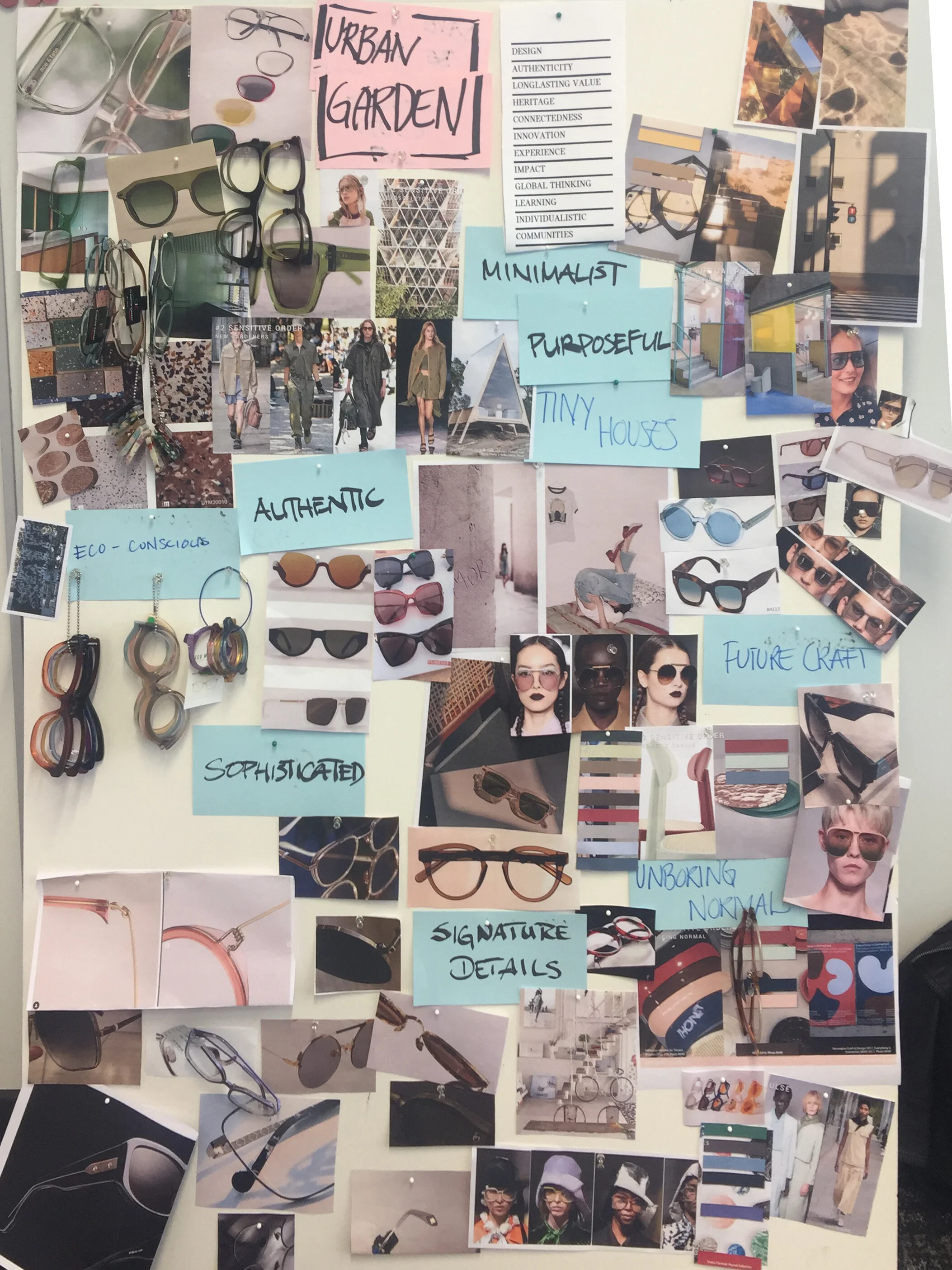
Trend board with global design trends, key design themes, and material inspirations.
Design Strategy
With the target consumer’s transient lifestyle, the sub-collections shifted to the extremes: unique statement eyewear for on-screen, and lightweight comfortable eyewear for extended off-screen time. The design language reflects MINI’s authentic, minimalist, approach to design.
Urban Garden would be a collection of:
Unboring Normals: inventive, offbeat, and exposed constructions that re-interpreted the idea of functionality.
Purposeful Designs: frames with thoughtfully designed functional details, such as driving shields that would filter sun glare.
Urban Essentials: minimalist frames paired with transparent materials, focusing on longevity and wearability.
Colors + materials + finishes (CMF)
To capture the Urban Garden collection’s purposeful, authentic design, the CMF direction was natural, offbeat, and spontaneous.
Colors: inspired by the muted, unpredictable look of natural dyes. Accent colors were singular, bright, and intentional, reflecting MINI’s iconic rally heritage.
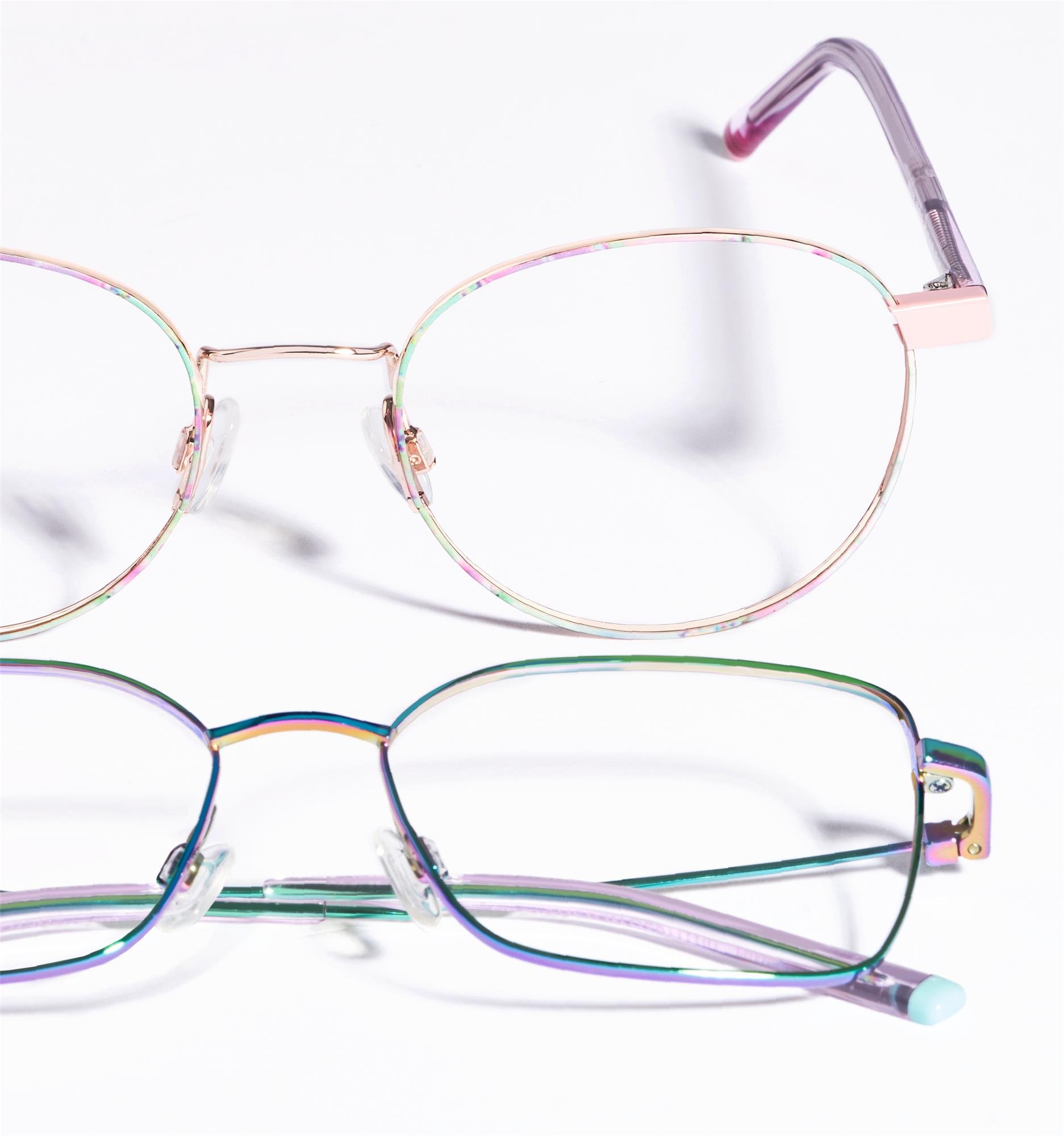
Materials: cellulose acetates with organic horn and tortoiseshell patterns were used to echo authenticity. I developed custom terrazzo-inspired acetates, reflecting the brand’s spontaneous personality.
Finishes: refined high polish finishes were juxtaposed with intentional matte accents.

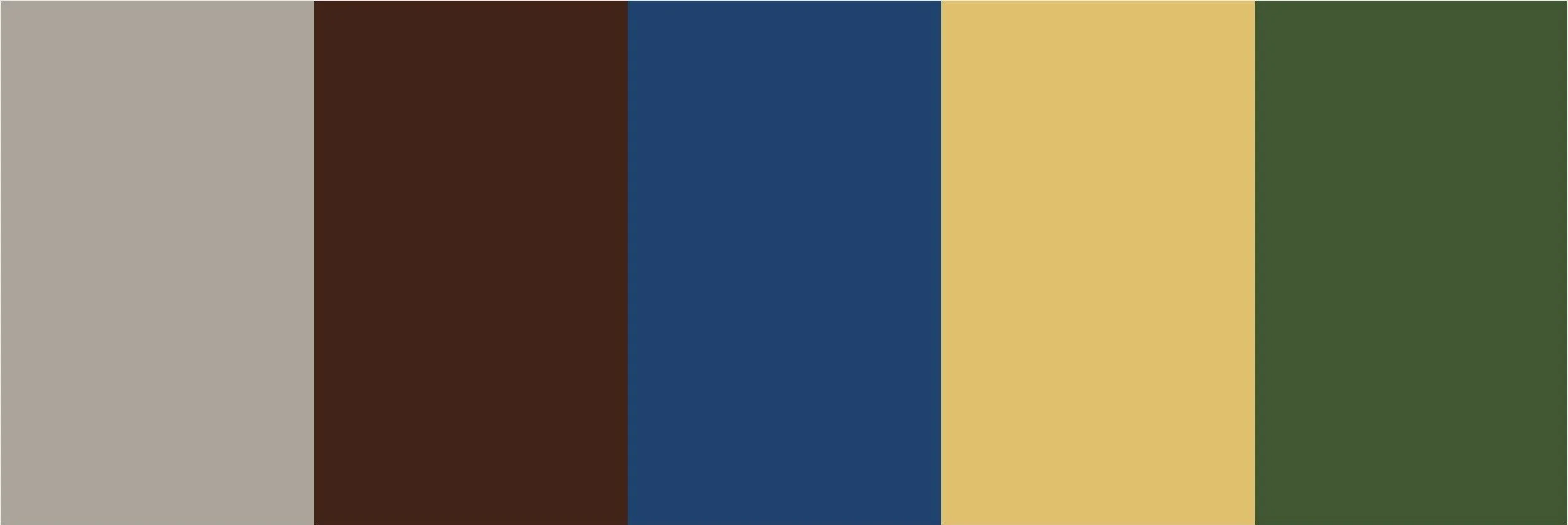
Top: Women’s color palette.
Bottom: Men’s color palette.
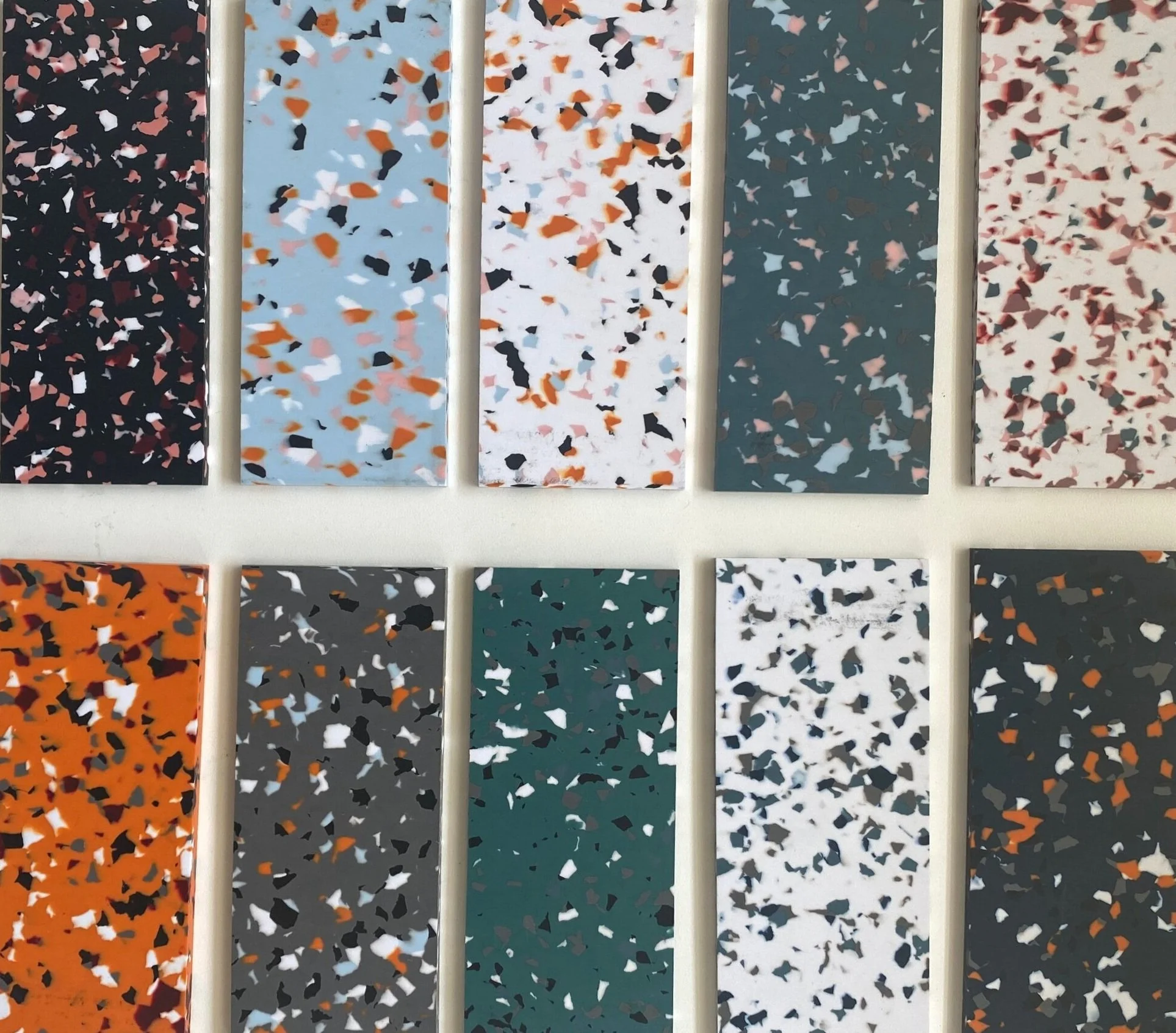
Custom terrazzo-inspired acetate materials developed for the collection.
prototyping + Merchandising
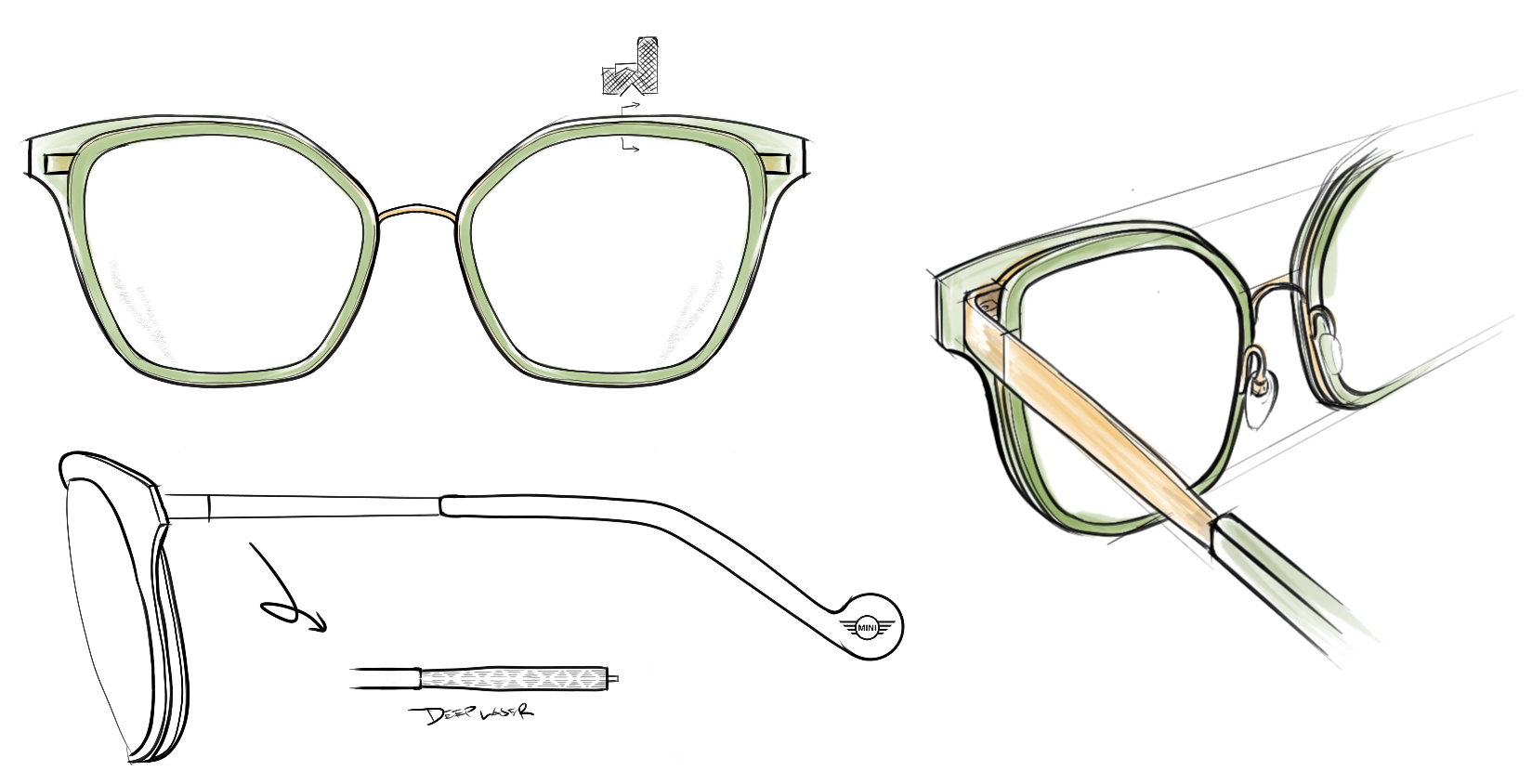
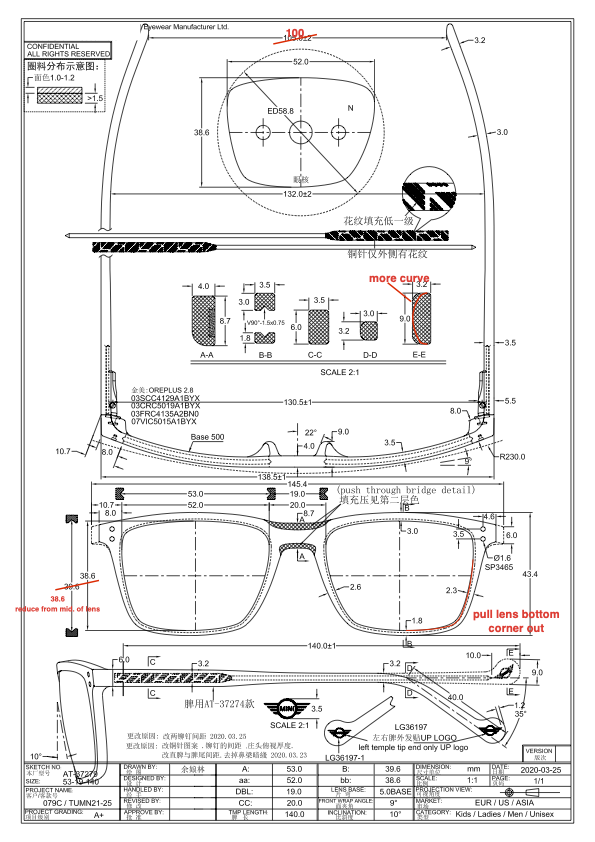
Design drawings and color directions were sent to vendors to create technical drawings, upon which the initial prototypes were developed to validate the new constructions and manufacturing techniques. Vendors were assigned based on capability and pricing to ensure the best vendor was used for each design.
Prototypes were presented to stakeholders for approval, after which they were merchandised into the final collection. Sales analysis identified the product line’s business drivers and gaps, informing each of my merchandising decisions to create a balanced mix of shapes, sizes, colors, and constructions.
Throughout each stage of prototyping, I closely managed the supply chain to troubleshoot QC issues, negotiate pricing, and maintain on-time delivery.
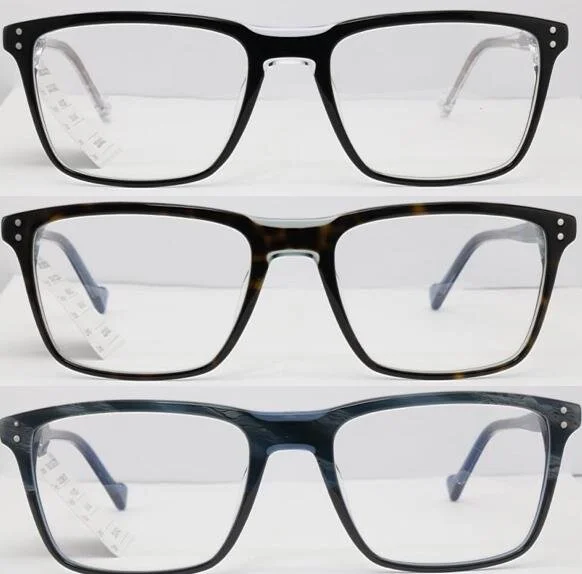
Final designs + Results
The collection released in 2021, and it was featured in industry magazines such as 20/20 Magazine.
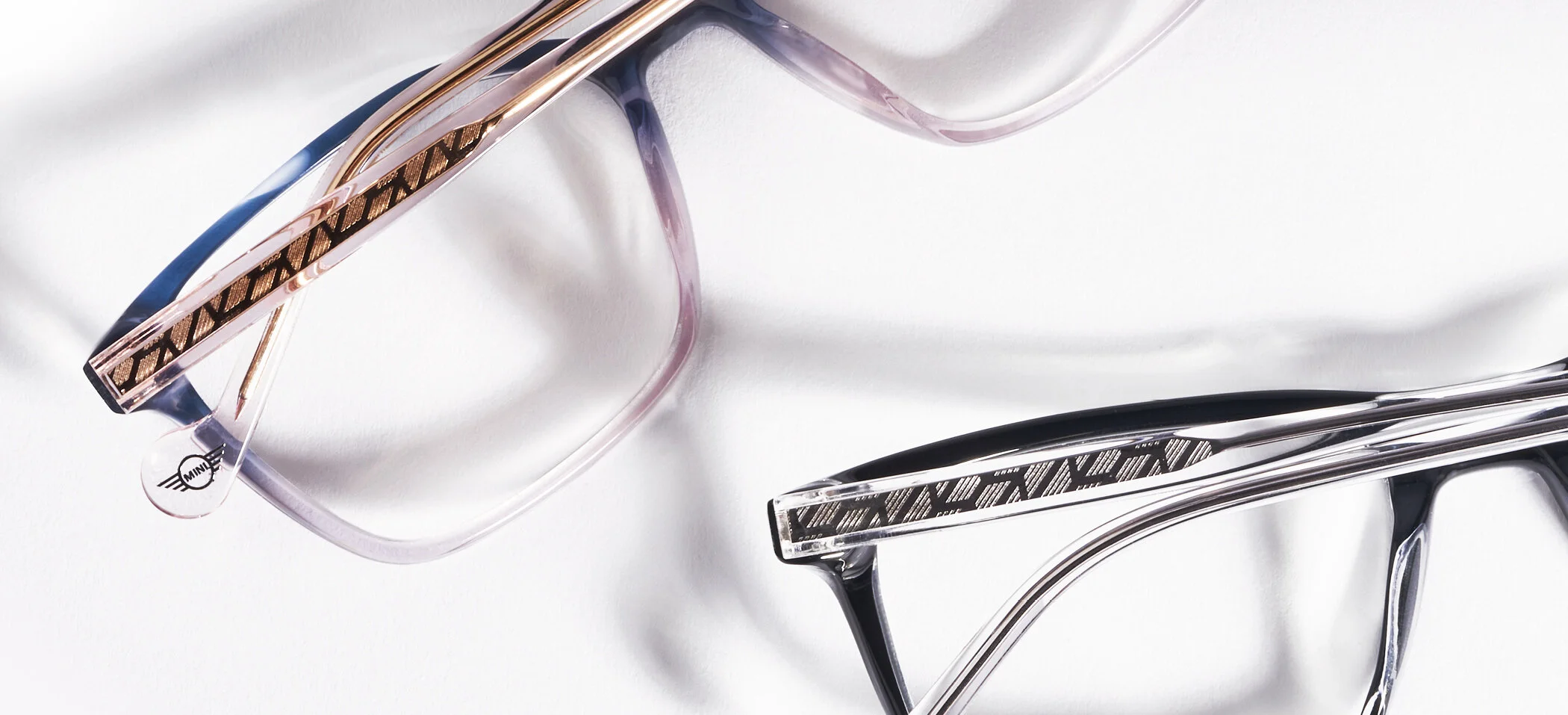
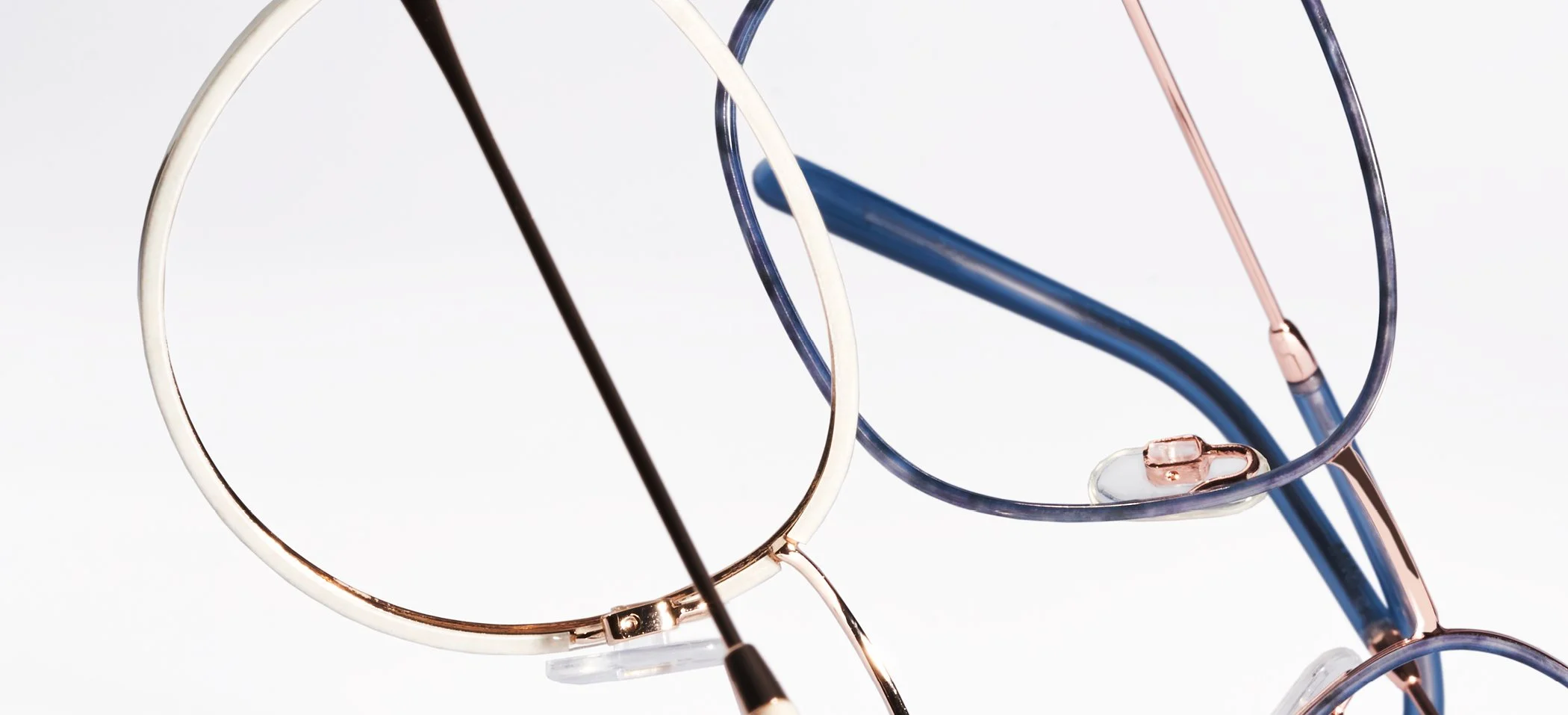
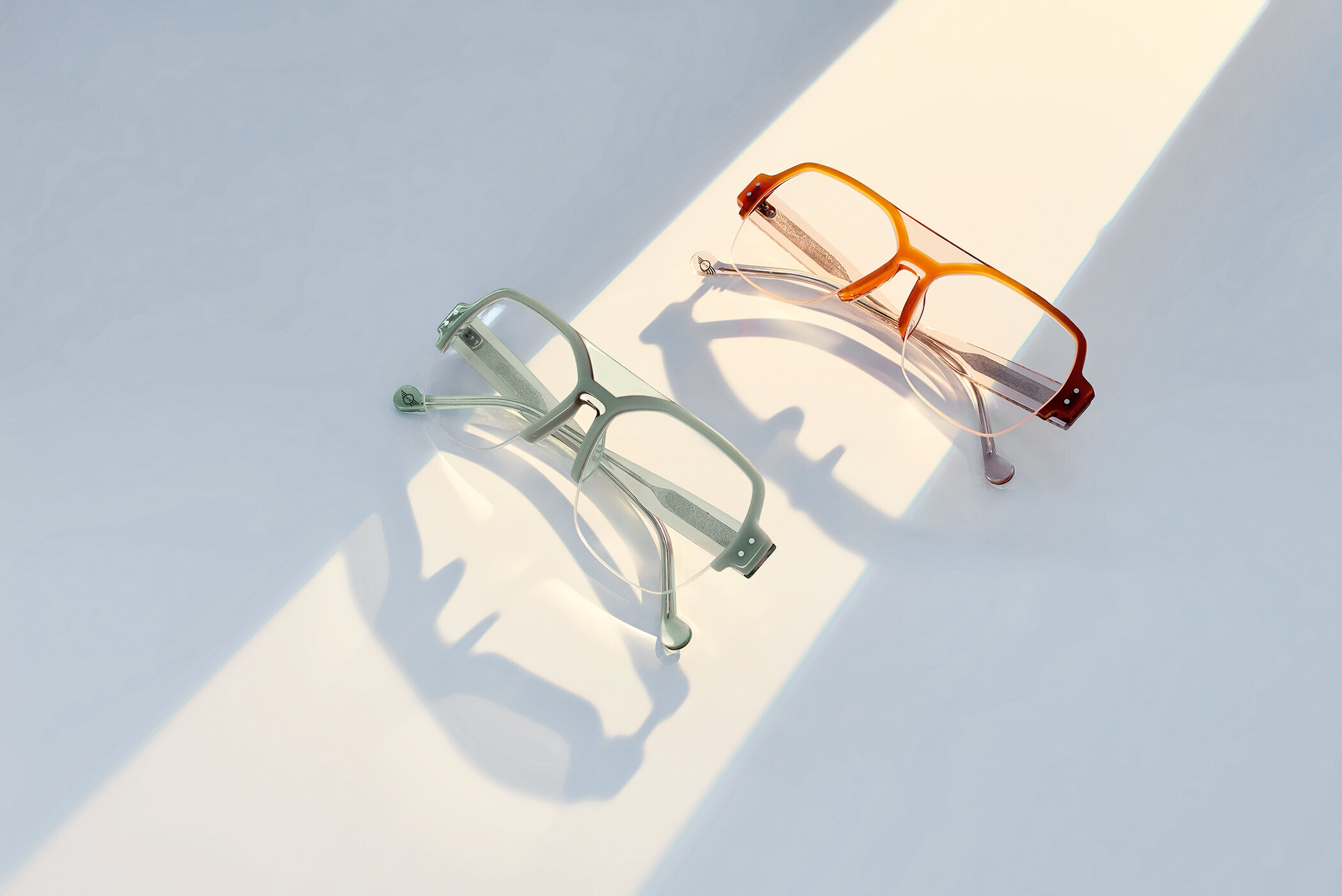
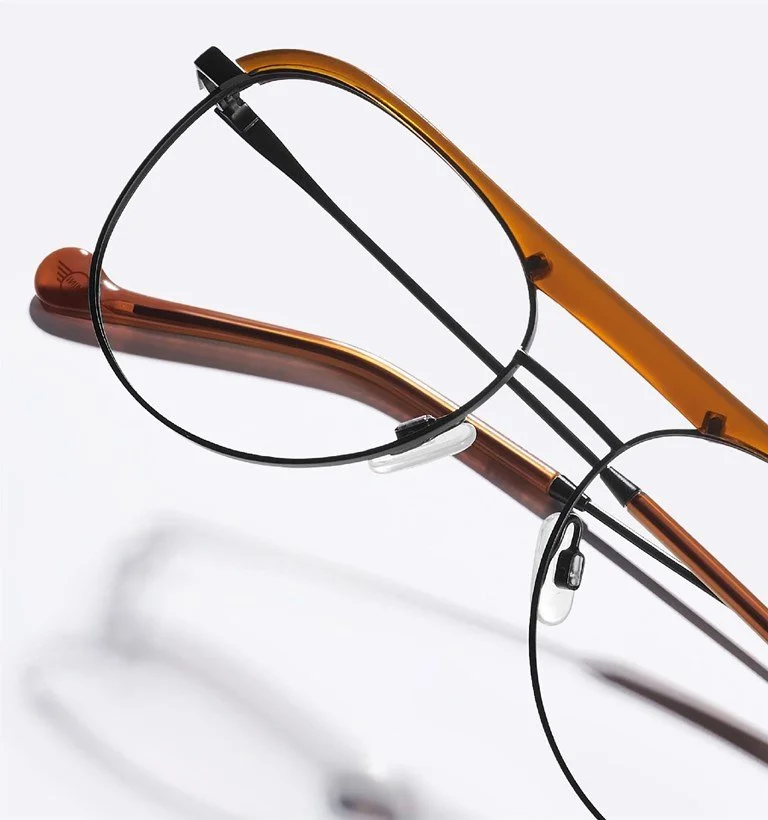
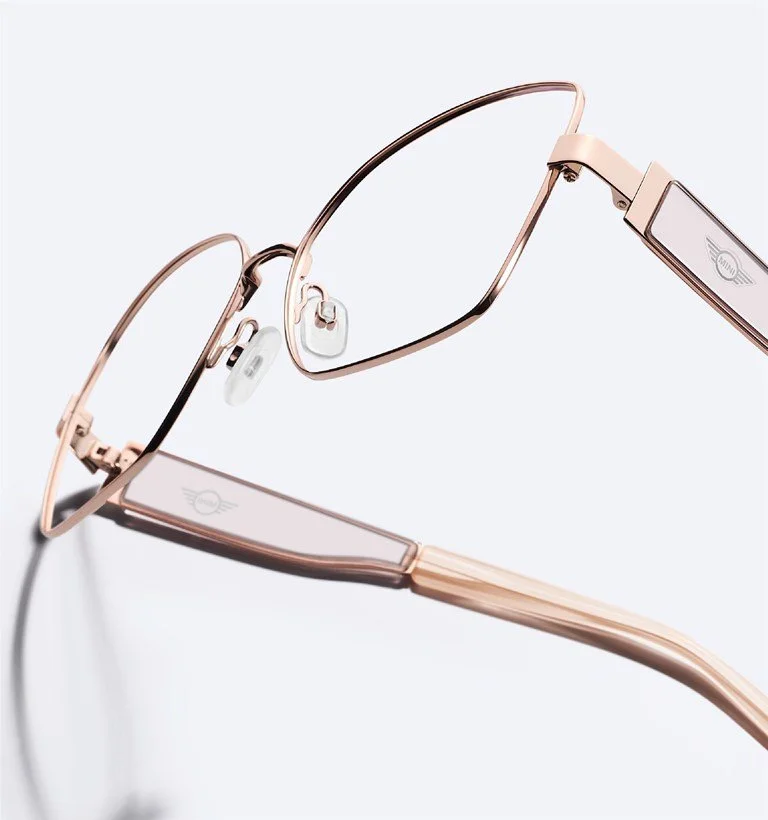
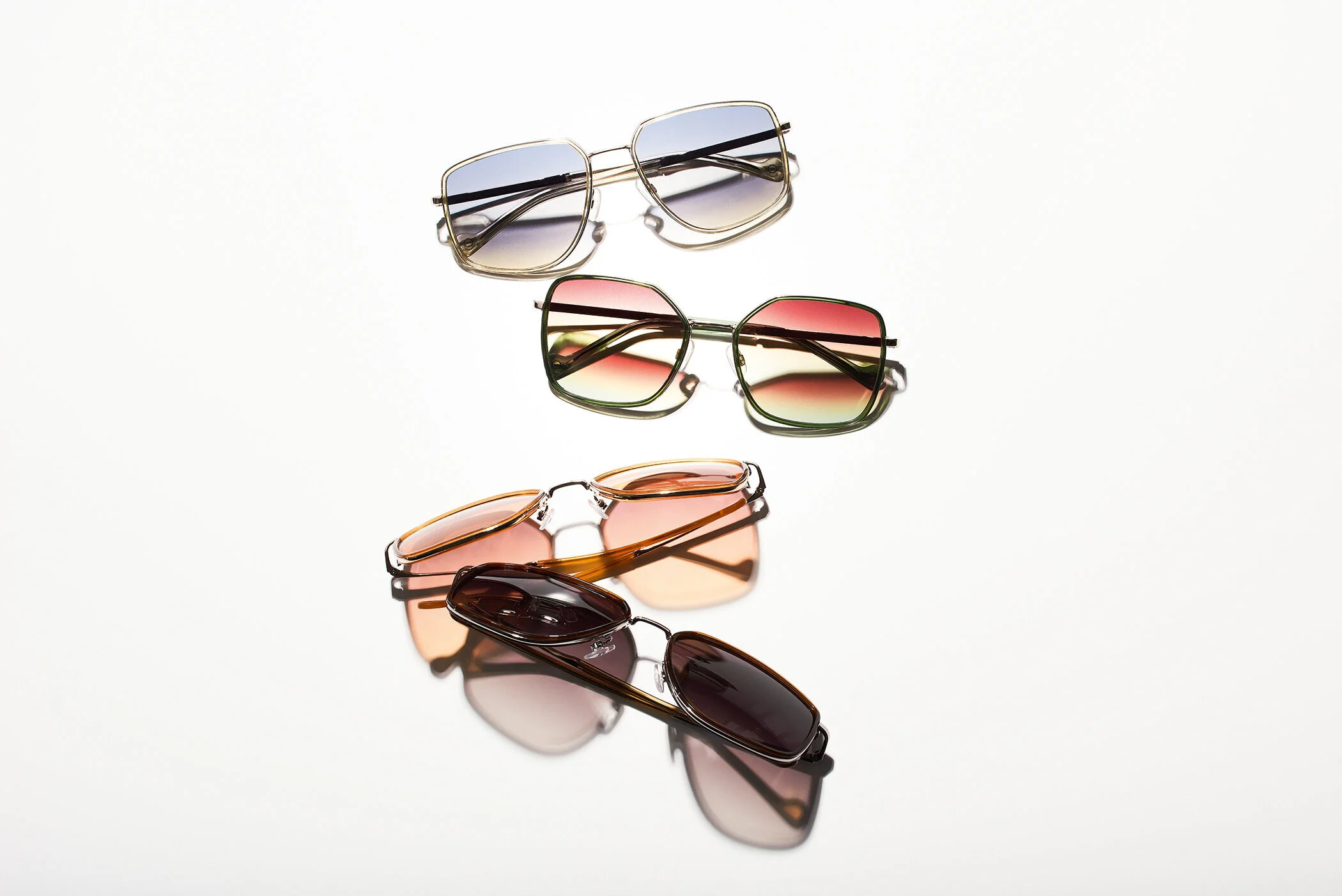
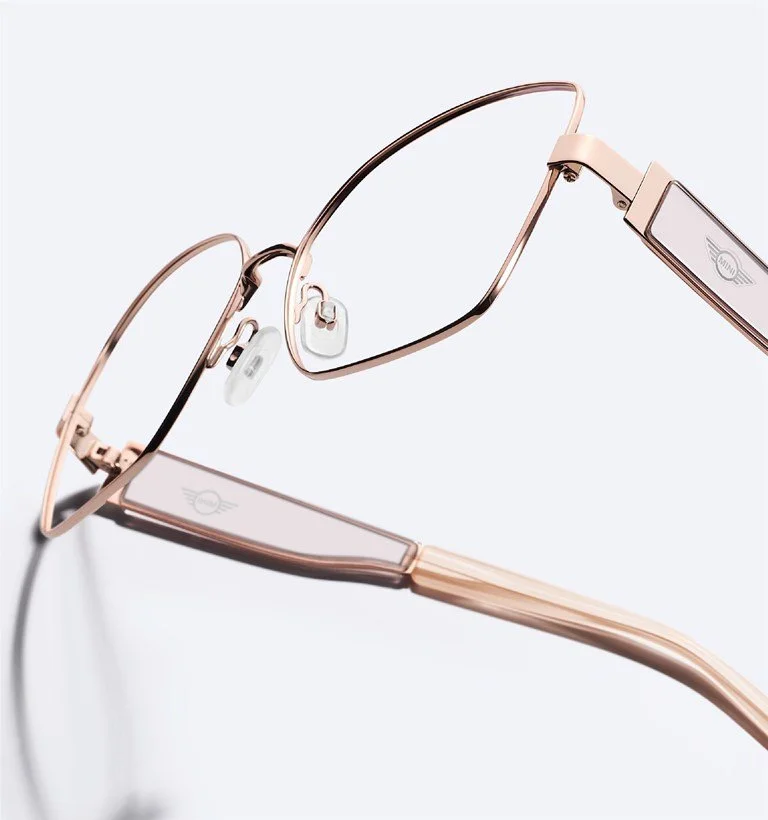
Below are select examples of final designs. The full collection is available on the Tura website.